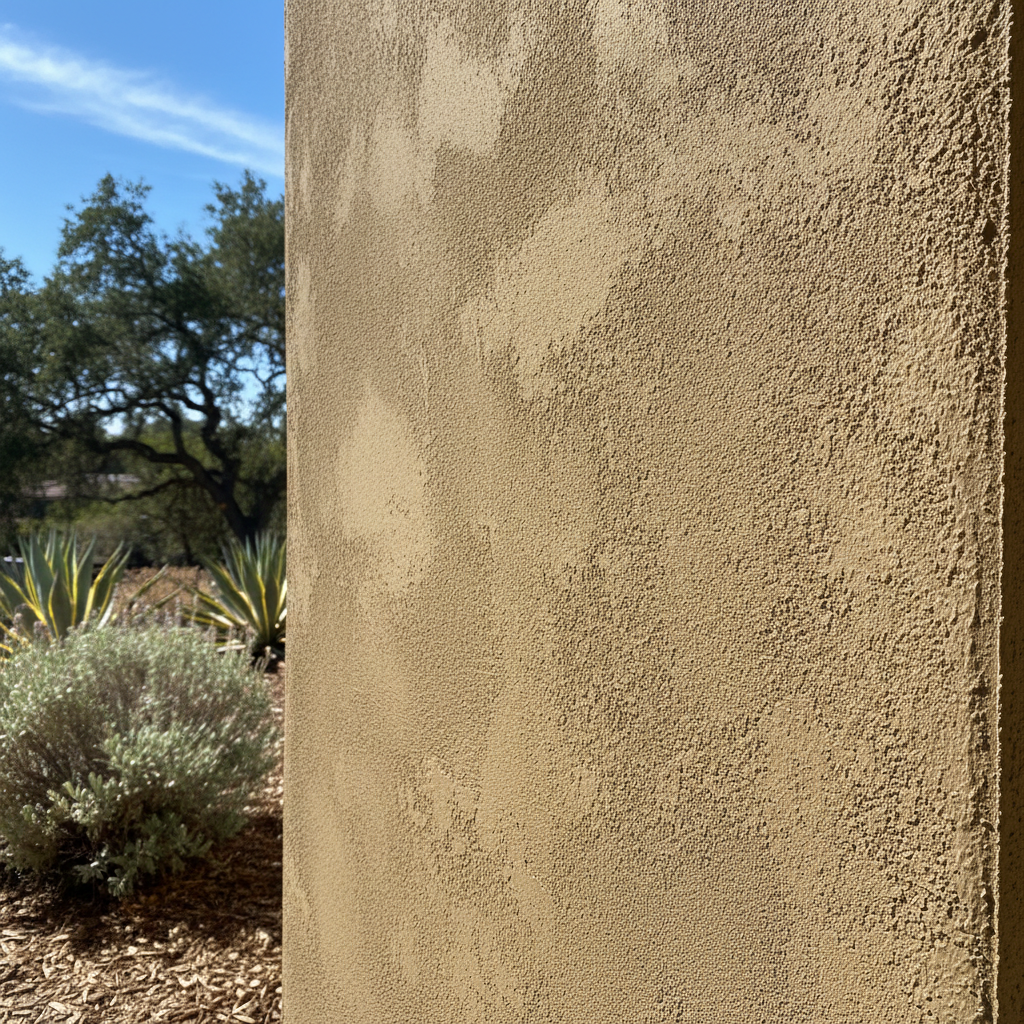
Is Your Stucco Ready for Paint? First Things First.
So, you're looking at your stucco home and thinking it's time for a fresh coat of paint. Sounds like a good plan! A solid paint job can really make your place pop, not to mention protecting the stucco underneath. But before you even think about picking out colors, you've got to make sure your stucco is actually ready for paint. This is probably the most important step, and honestly, it's where a lot of DIY projects go sideways.
You can't just slap paint on cracked or damaged stucco. It's like putting a bandage on a broken bone – it might look okay for a minute, but it won't fix the real problem. Take a walk around your house. Look for hairline cracks, bigger fissures, crumbling spots, or places where the stucco might be pulling away from the wall. Pay extra close attention around windows, doors, and the foundation line. If you spot any of these issues, you'll need to repair them first. Small hairline cracks? You might be able to patch those yourself with an elastomeric stucco patch; just follow the product's instructions. But if you've got bigger cracks, soft spots, or water damage, that's a serious red flag. Trying to fix significant stucco damage yourself without experience usually just leads to more headaches down the road. That's when you call someone like us at Majestic Stucco. We've seen it all, from minor dings to major structural issues, and we can get your stucco solid and ready for paint.
Prepping for Paint: Don't Skip This!
Alright, let's say your stucco is in good shape or you've already handled the necessary repairs. Now comes the prep work, and I can't stress this enough: prep is 90% of a good paint job. Skimp here, and your paint will peel, flake, or just look terrible in a year or two. And nobody wants that, especially with our Claremont sunshine beating down on it.
- Clean it thoroughly: You've got to get all the dirt, grime, mildew, and loose paint off. A pressure washer on a low setting can work wonders, but be careful not to damage the stucco. If you're not comfortable with a pressure washer, a good scrub brush, some mild detergent, and elbow grease will do the trick. Rinse it really well afterwards and let it dry completely – usually a day or two, depending on the weather.
- Mask everything: Windows, doors, trim, light fixtures, bushes – anything you don't want paint on. Use good quality painter's tape and plastic sheeting or drop cloths. It takes time, but it's way faster than scraping paint off glass later.
- Prime it right: Stucco is porous, so a good primer is essential. It helps the paint stick better, gives you a uniform surface, and can even help seal minor imperfections. Use an alkali-resistant acrylic primer, specifically made for masonry or stucco. Don't cheap out on this step, seriously.
Choosing Your Paint and Getting It On
When it comes to the paint itself, you want a high-quality, 100% acrylic latex paint designed for exterior masonry or stucco. These paints are flexible, breathable, and stand up well to the elements. Don't use oil-based paints on stucco; they don't breathe and can trap moisture, leading to problems. Elastomeric paints are an option too, especially if you have a lot of hairline cracks, since they're very flexible and can bridge those small gaps. Just remember, they're usually thicker and can be a bit harder to apply.
Now, for the application. If you're painting a small, single-story section, rollers and brushes might be fine. Use a thick-nap roller cover (3/4 inch or 1 inch) to really get into the stucco's texture. For larger homes, or if you're dealing with a two-story house common in areas like the Village, you're probably looking at a paint sprayer. Sprayers are much faster and can give a more even finish, but they require a lot more masking and practice to avoid drips and overspray. If you're not experienced with a sprayer, or if heights make you nervous, this is definitely a job to consider hiring a professional painter for. They have the right equipment, the experience, and the safety gear to do it efficiently and safely.
After the Paint Dries: Maintenance Matters
Once your beautiful new paint job is done, don't just forget about it. Regular maintenance will keep it looking good for years. Give it a gentle wash every year or two to remove dirt and mildew. Keep an eye out for any new cracks or chips and address them promptly. A little touch-up now can prevent a bigger problem later.
Painting stucco isn't a small job, but it's definitely something a handy homeowner can tackle, especially on smaller, more accessible areas. Just remember the golden rules: repair first, prep carefully, use the right materials, and know your limits. If it feels too big, too high, or too complicated, don't hesitate to call in a pro. We're here to help make your Claremont home look its best.