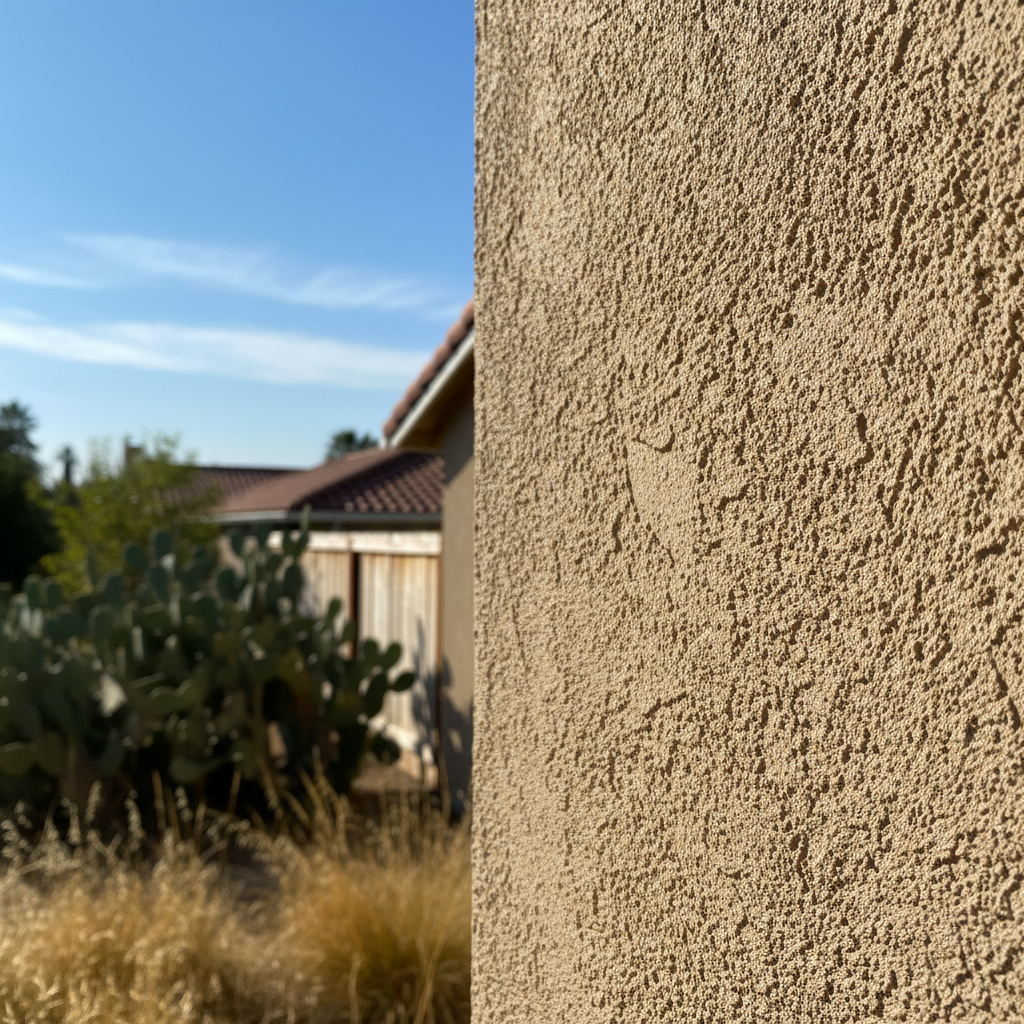
Alright, let's talk about stucco inspection. Maybe you've had stucco on your house for years, or perhaps you just bought a place with it. Either way, you need to know how to keep an eye on it. This isn't just about looks; it's about protecting your home from water damage, pests, and all sorts of headaches down the line.
I've worked with stucco around Claremont for a long time. And believe me, I've seen everything from small cracks to big structural problems that could have been caught much earlier. So, let's dive into what you, as a homeowner, can realistically check yourself, and when it's smart to pick up the phone and call someone like us at Majestic Stucco.
Before You Even Step Outside
Before you even begin, grab a notepad and think about your house's history. When was the stucco put on or last fixed? Have you had any big weather events recently – those intense winter rains we get sometimes, or a particularly hot summer? Have you noticed any strange smells inside, or maybe your energy bills suddenly jumped? These aren't direct stucco issues, but they can point to underlying problems that a stucco inspection might uncover.
Also, make sure you have the right tools for your DIY check. You'll want a good flashlight, maybe some binoculars for higher spots, and a small, non-marking tool like a plastic mallet or the handle of a screwdriver for tapping. Safety first, of course. If you're using a ladder, make sure it's steady and you've got someone watching you.
Your DIY Stucco Check: What to Look For
This is where you become a detective. Walk around your entire house, slowly and carefully. Don't rush it. Here's what you're trying to find:
- Cracks: Not all cracks are the same. Hairline cracks are pretty common and usually just cosmetic. But if you see cracks wider than a credit card, or if they run horizontally or in a spiderweb pattern, those are red flags. Pay extra attention around windows, doors, and where different materials meet.
- Discoloration or Stains: Dark streaks, especially under windows or near the roofline, often mean water is getting in. Green or black spots could be mold or mildew, which definitely indicates moisture.
- Bulges or Soft Spots: Gently tap the stucco with your plastic mallet or screwdriver handle. It should sound solid. If it sounds hollow, or if you can feel it give way slightly, that's a sign of delamination – meaning the stucco is separating from the wall underneath. This is serious.
- Efflorescence: This is that white, powdery stuff you sometimes see on masonry. It's mineral salts left behind when water evaporates from inside the stucco. It tells you water is getting in, then drying out, leaving the salts.
- Caulking Conditions: Check all the caulk around windows, doors, and utility connections. Is it cracked, peeling, or missing? Failed caulk is a super common way for water to sneak in.
- Gutters and Downspouts: Are they clear? Are they sending water away from your house? Clogged gutters can overflow and constantly drench your stucco, leading to problems.
- Landscaping: Is there any shrubbery or ivy growing directly on or against your stucco? Plants can trap moisture and even physically damage the stucco over time. Keep them trimmed back a few inches.
Take pictures of anything that looks suspicious. It'll help you track changes over time and show a pro exactly what's worrying you.
When to Call a Professional Stucco Inspector
Look, you can do a pretty good job with an initial visual check. But there are limits to what you can see and figure out yourself. If you find any of those red flags I mentioned – wide cracks, soft spots, significant discoloration, or if you just have a gut feeling something's not right – it's time to bring in an expert.
A professional stucco inspector, especially one who really knows the material, has tools and experience you don't. They can use moisture meters to find hidden water behind the stucco without tearing into your walls. They know exactly where the common failure points are, especially with the older homes we have around Claremont that might have original stucco from decades ago. Plus, they can tell you if a crack is just cosmetic or if it's structural, which makes a huge difference in terms of how much it costs to fix and how urgent it is.
Don't wait until you see water dripping inside your house. By then, the damage is usually extensive and expensive to fix. A professional inspection, even if it just gives you peace of mind, is a small investment compared to the cost of major water damage repair.
After the Inspection (DIY or Professional)
If your DIY inspection turned up minor issues like hairline cracks or old caulk, you might be able to handle those yourself. There are good quality stucco patch kits and exterior caulks available at your local hardware store. Just make sure you follow the instructions carefully and choose products that work with stucco.
If you had a professional inspection, you'll get a detailed report. Don't just file it away! Read it carefully. It'll outline any issues, how serious they are, and what solutions are recommended. This is your roadmap. For anything beyond minor DIY fixes, you'll want to get quotes from reputable stucco contractors. Make sure they're licensed and insured, and ask for references. A good contractor will explain the repair process clearly and give you a fair estimate.
Regular maintenance is key. Even if everything looks perfect, give your stucco a good wash down once a year to remove dirt and grime. Keep those gutters clean and your landscaping trimmed. A little preventative care goes a long way in extending the life of your stucco and protecting your home.